- The problem · 01 / 10
That sponge smells. Again.
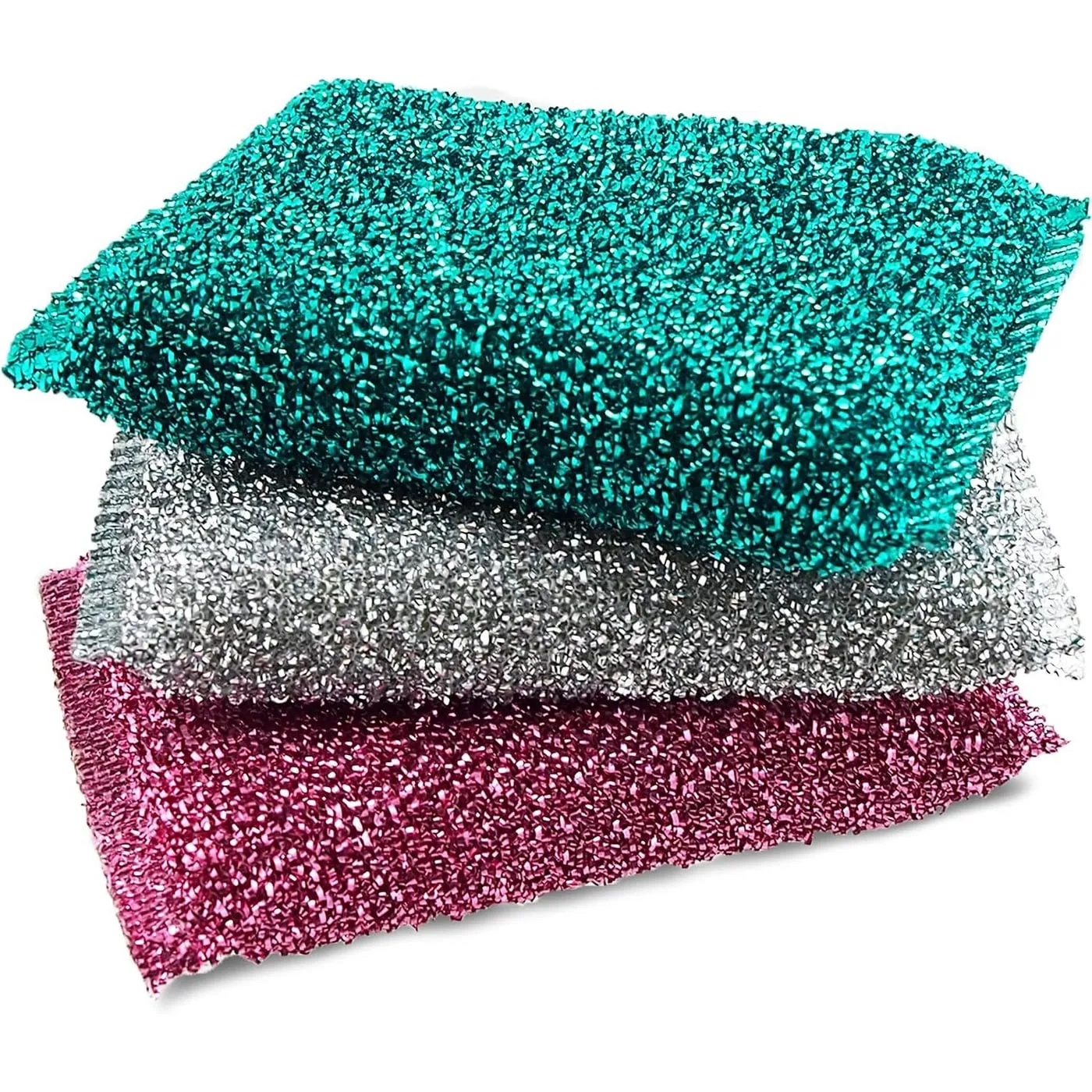
A new sponge turns sour within days. You rinse it, wring it, and the kitchen still catches that smell every time you walk past the sink.
Sound familiar?

- The problem · 02 / 10
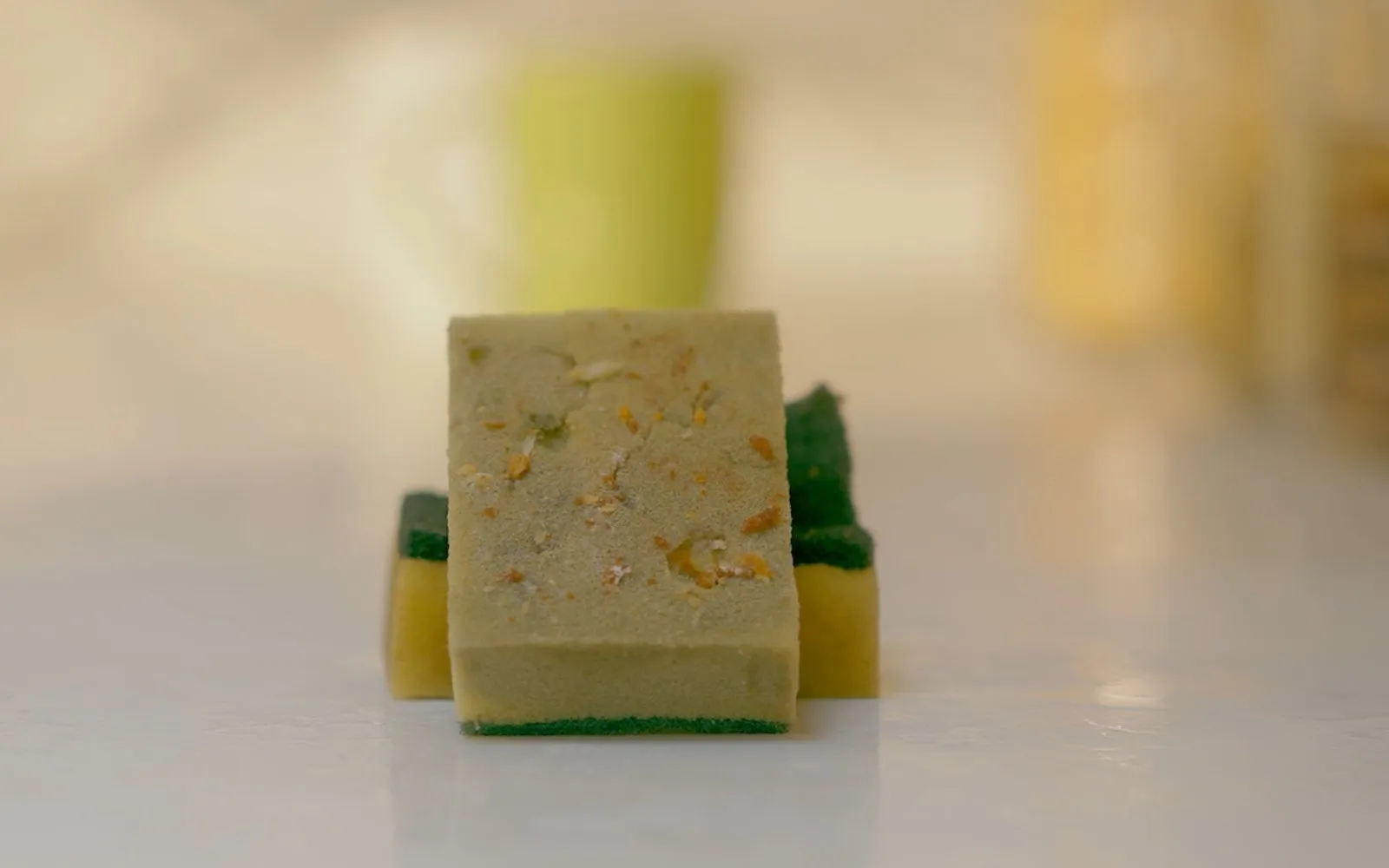
It starts to look worse.
Grease, food and water soak into the pores and stay there. That is exactly the environment bacteria need to multiply.
A cleaning routine shouldn’t feel like this.
- The problem · 03 / 10
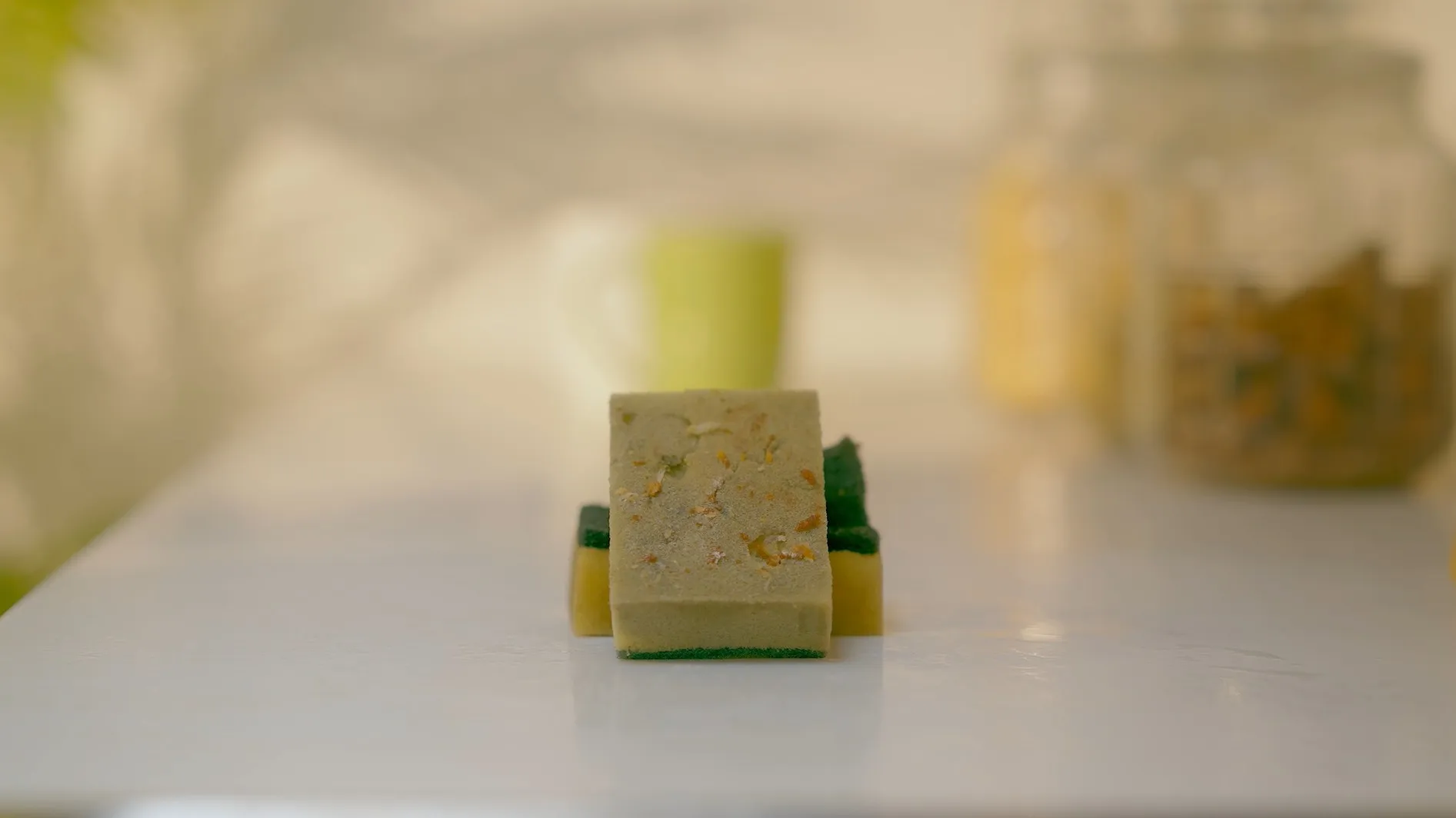
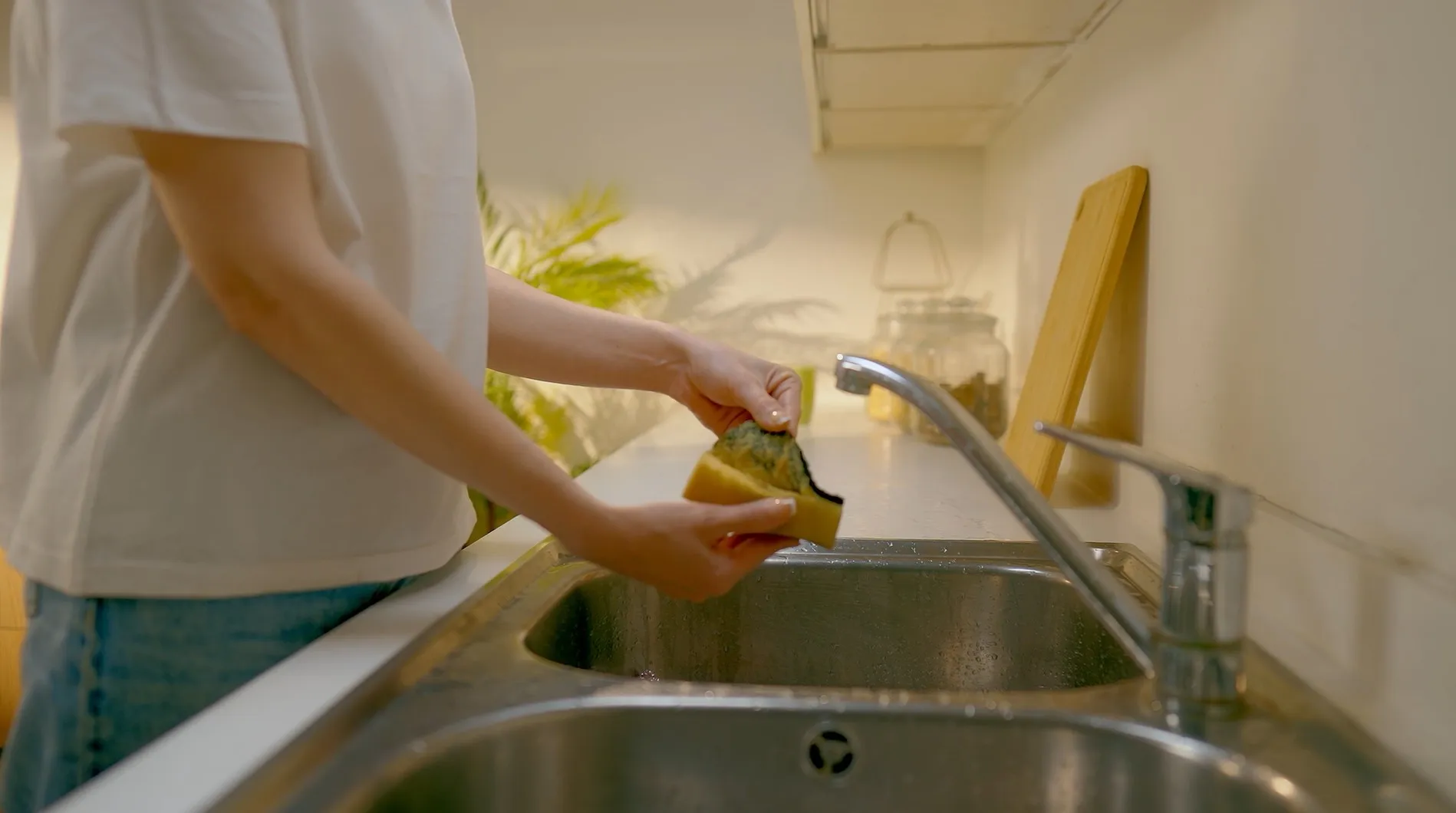
Then it falls apart.
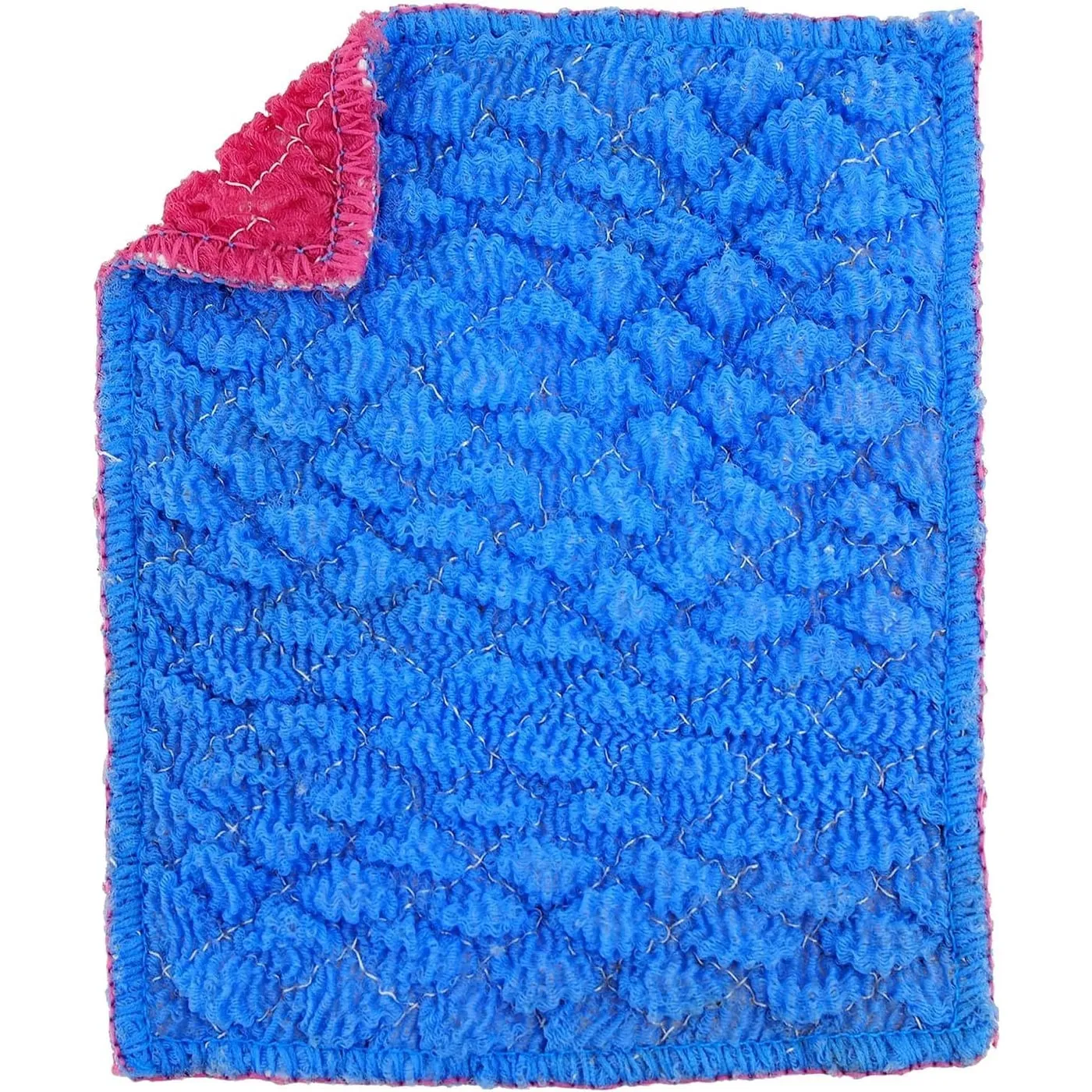
A few weeks of scrubbing and the foam crumbles in your hand. Pieces end up in the drain, and the scrub side peels away from the foam.
Replace. Repeat.
- The problem · 04 / 10
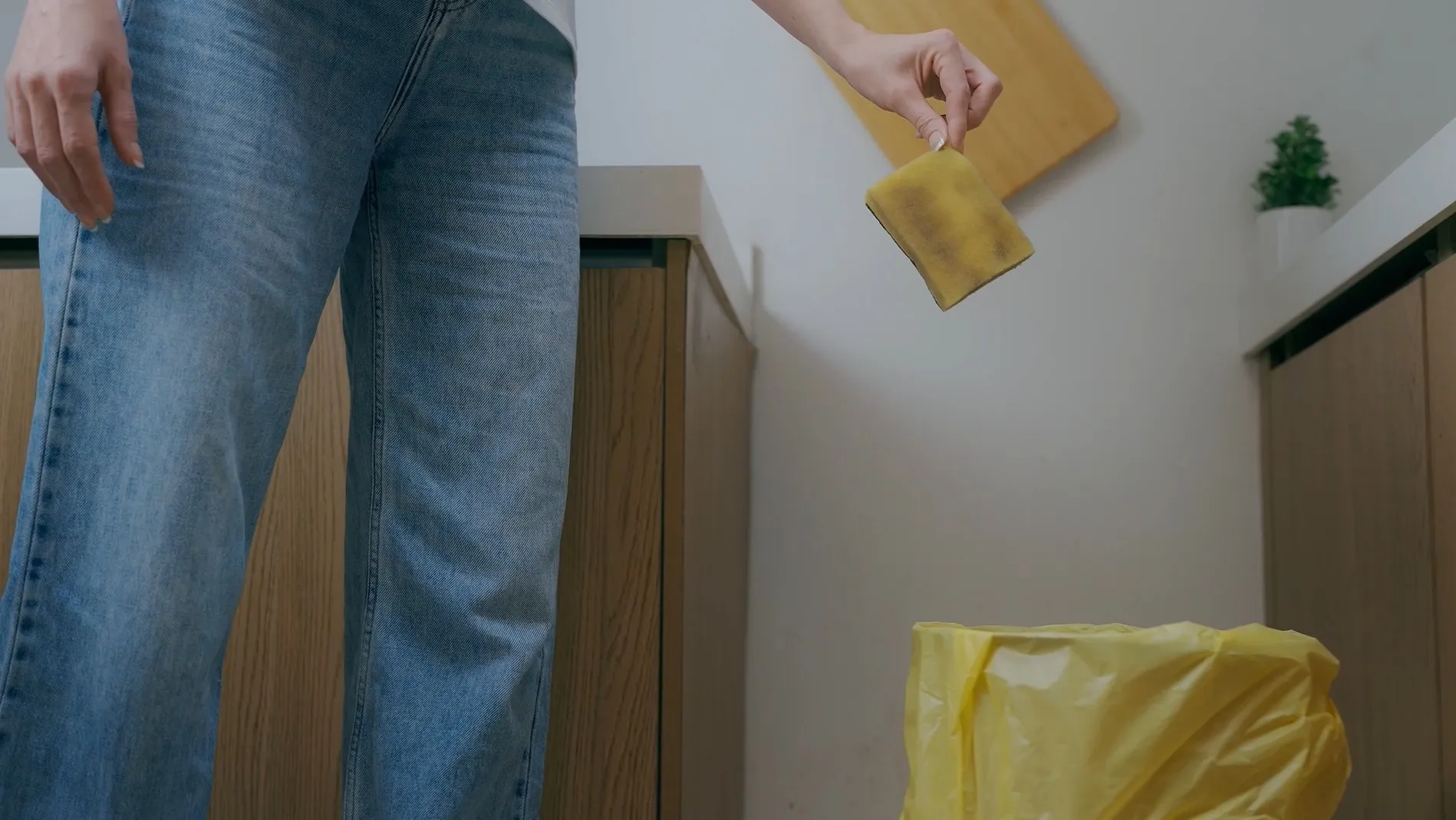
Another one in the trash.
So it goes in the bin. Roughly 52 sponges a year end up there because of it.
How often do you replace your sponge?
- The realization · 05 / 10
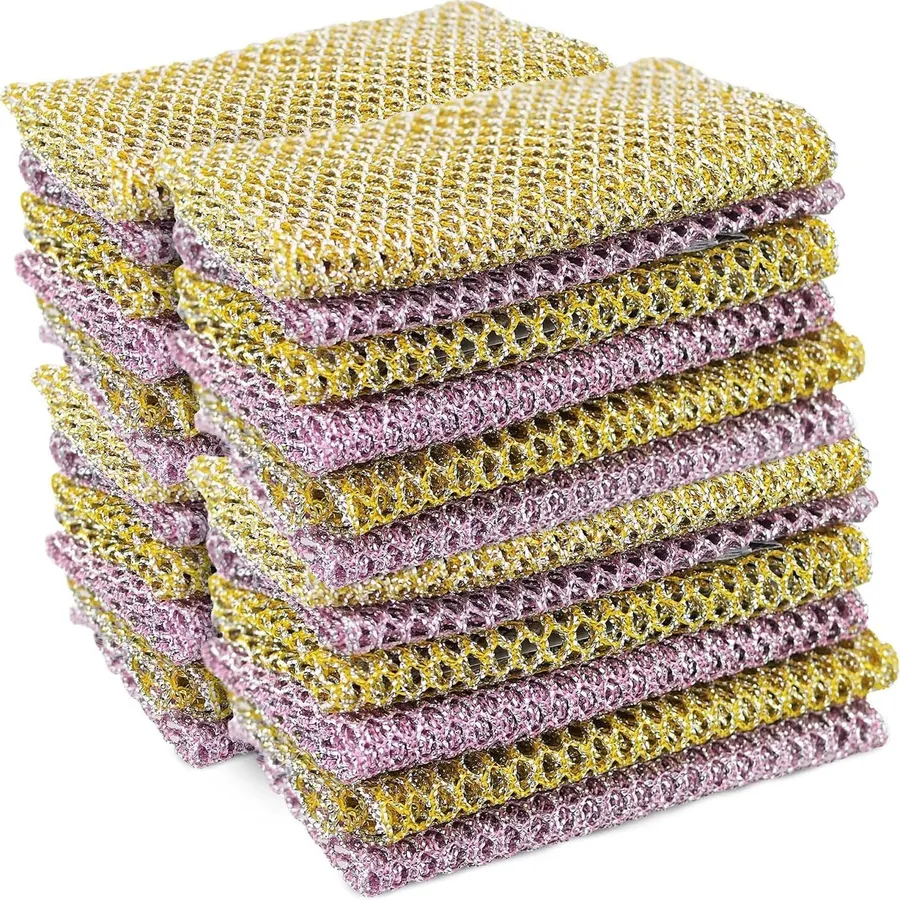
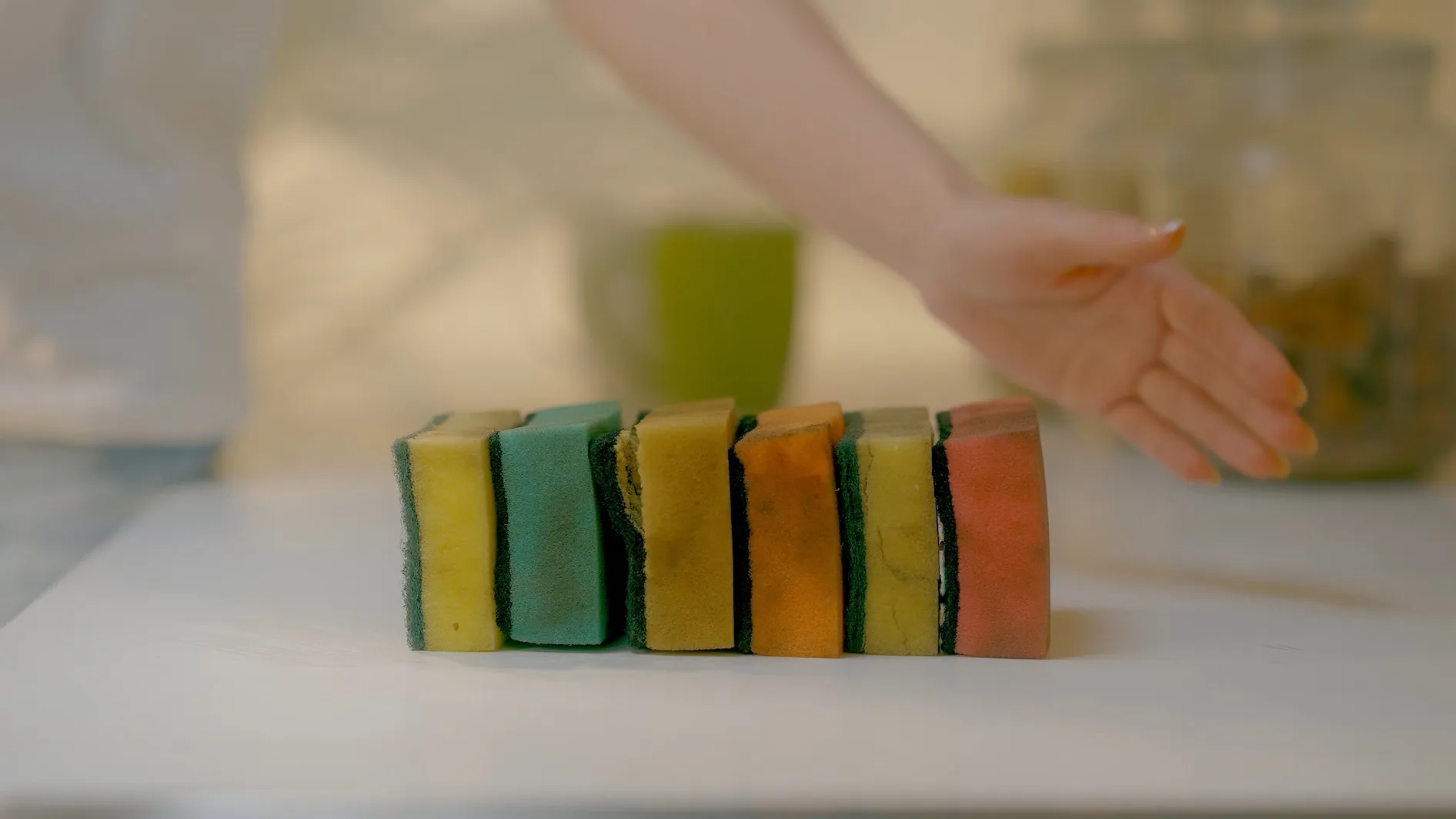
How many is too many?
Line up a few months of sponges and the cost is plain to see. Money spent, plastic thrown out, and the same smell every time.
Buy less. Waste less. Trust more.
- The better choice06 / 10
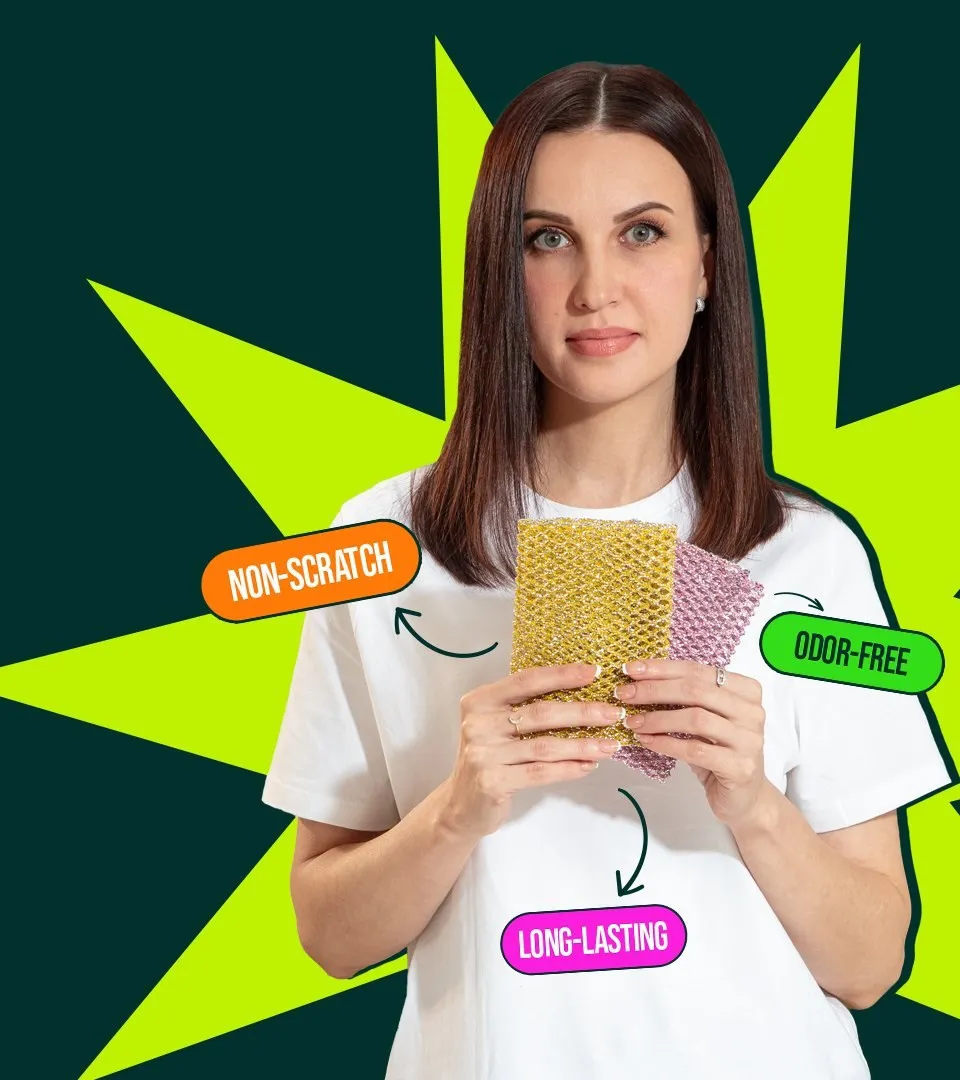
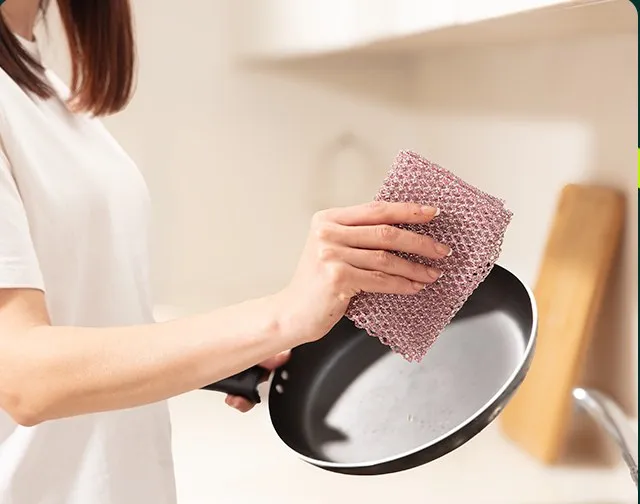
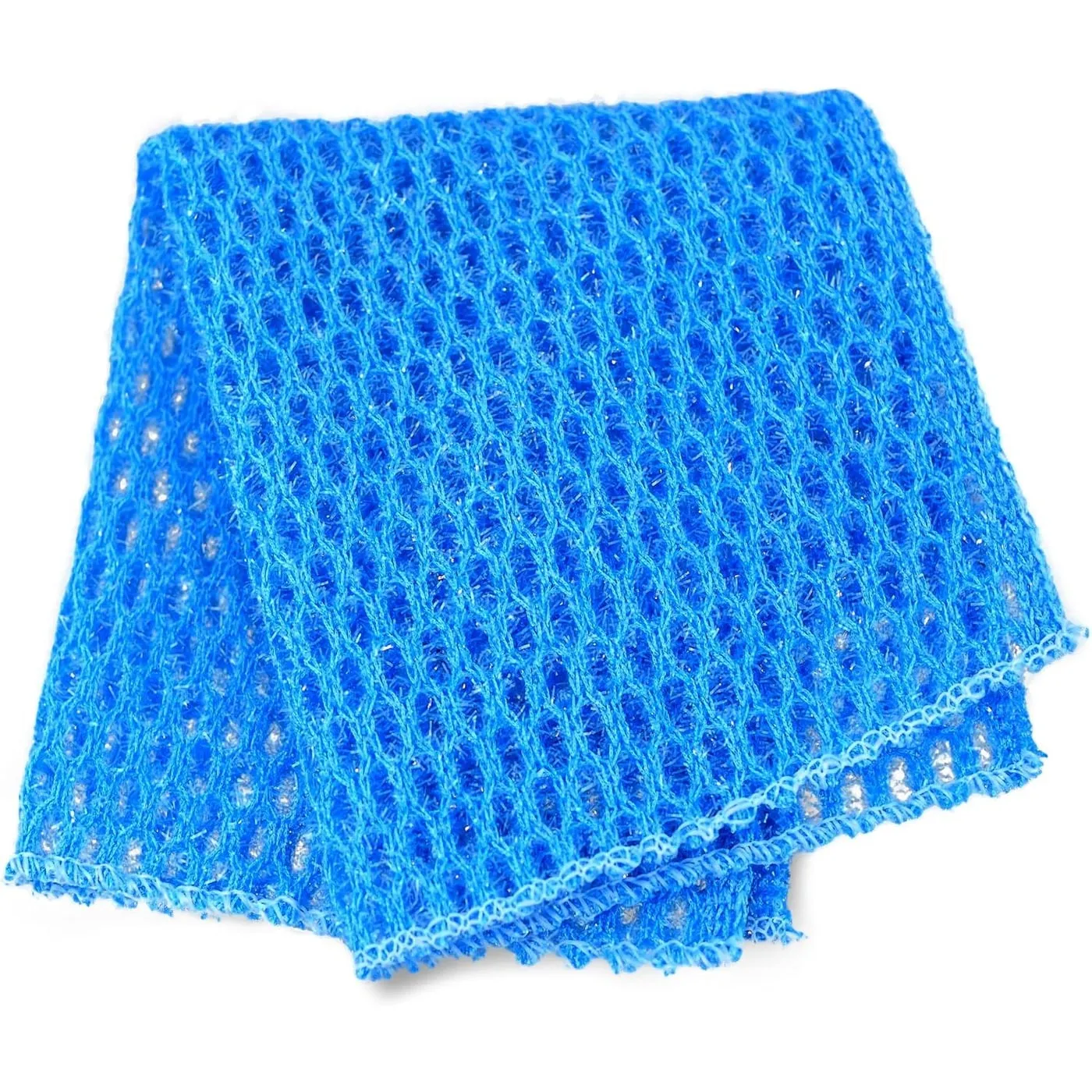
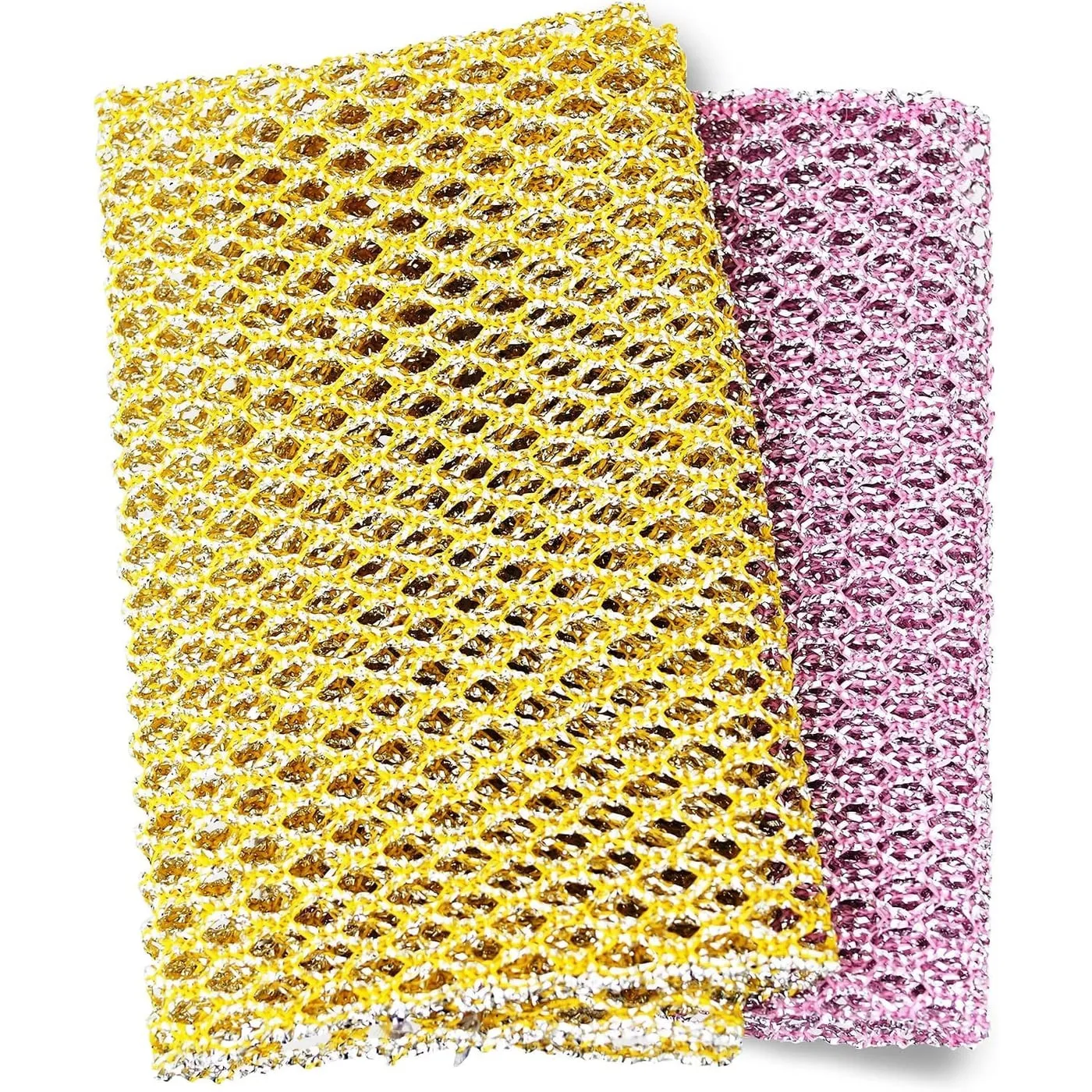
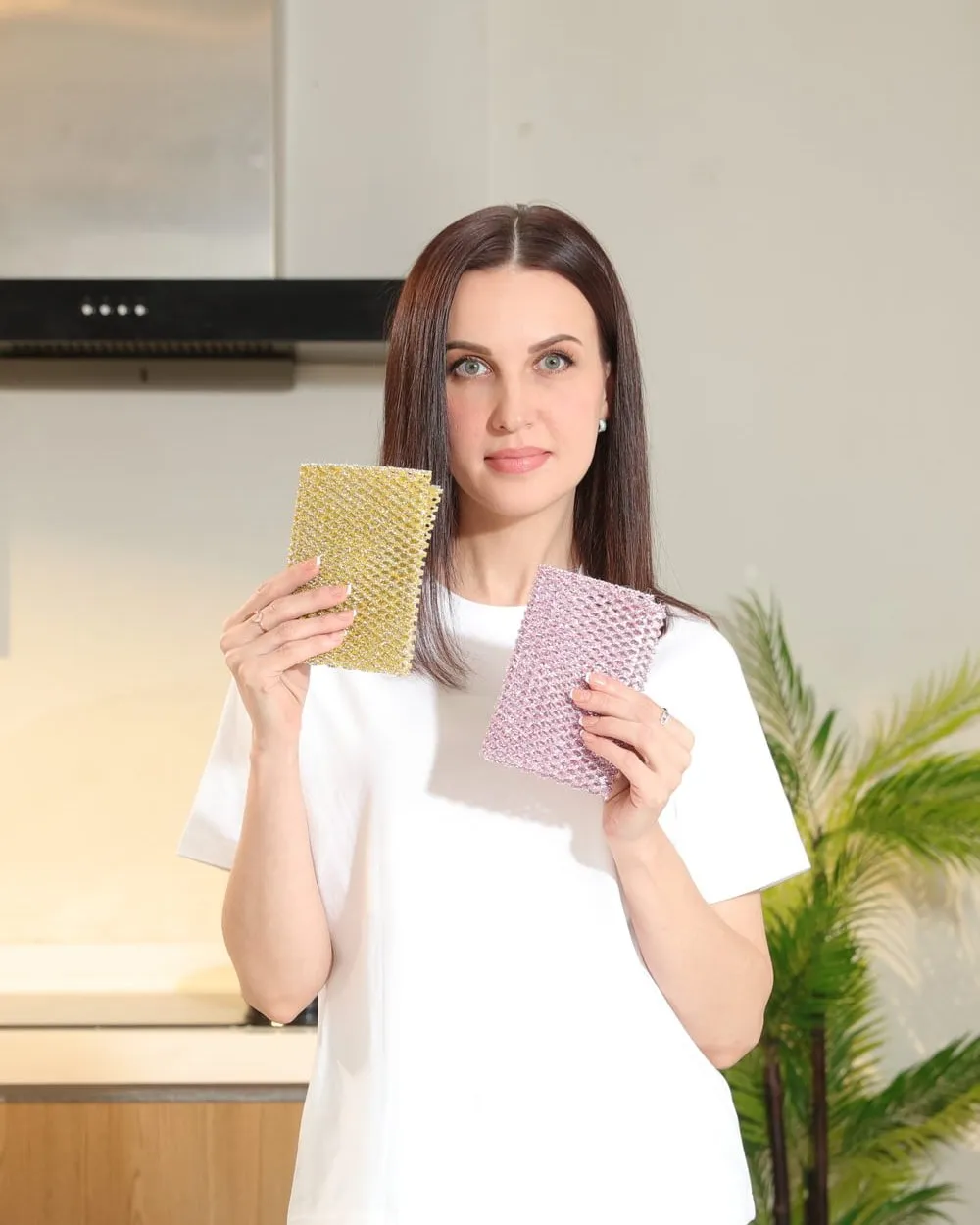
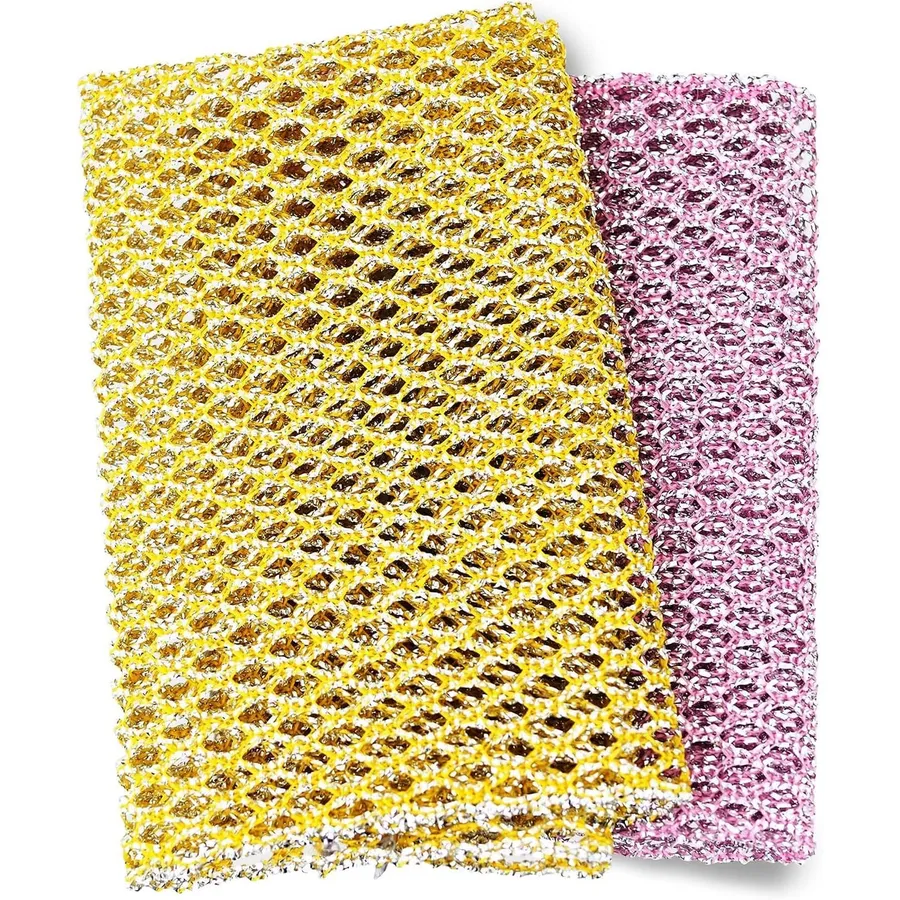
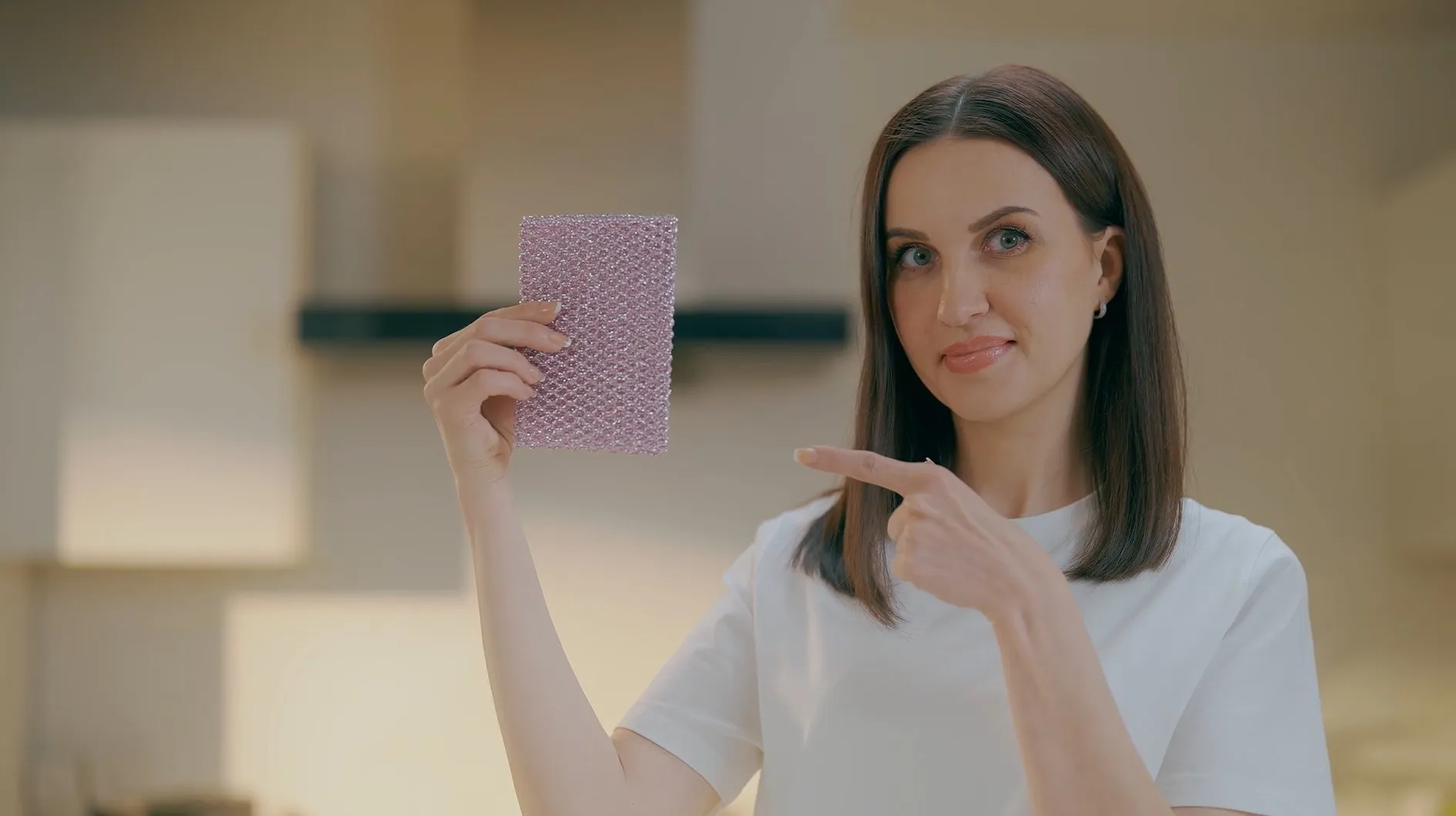
Meet the Non-Scratch Scourer.
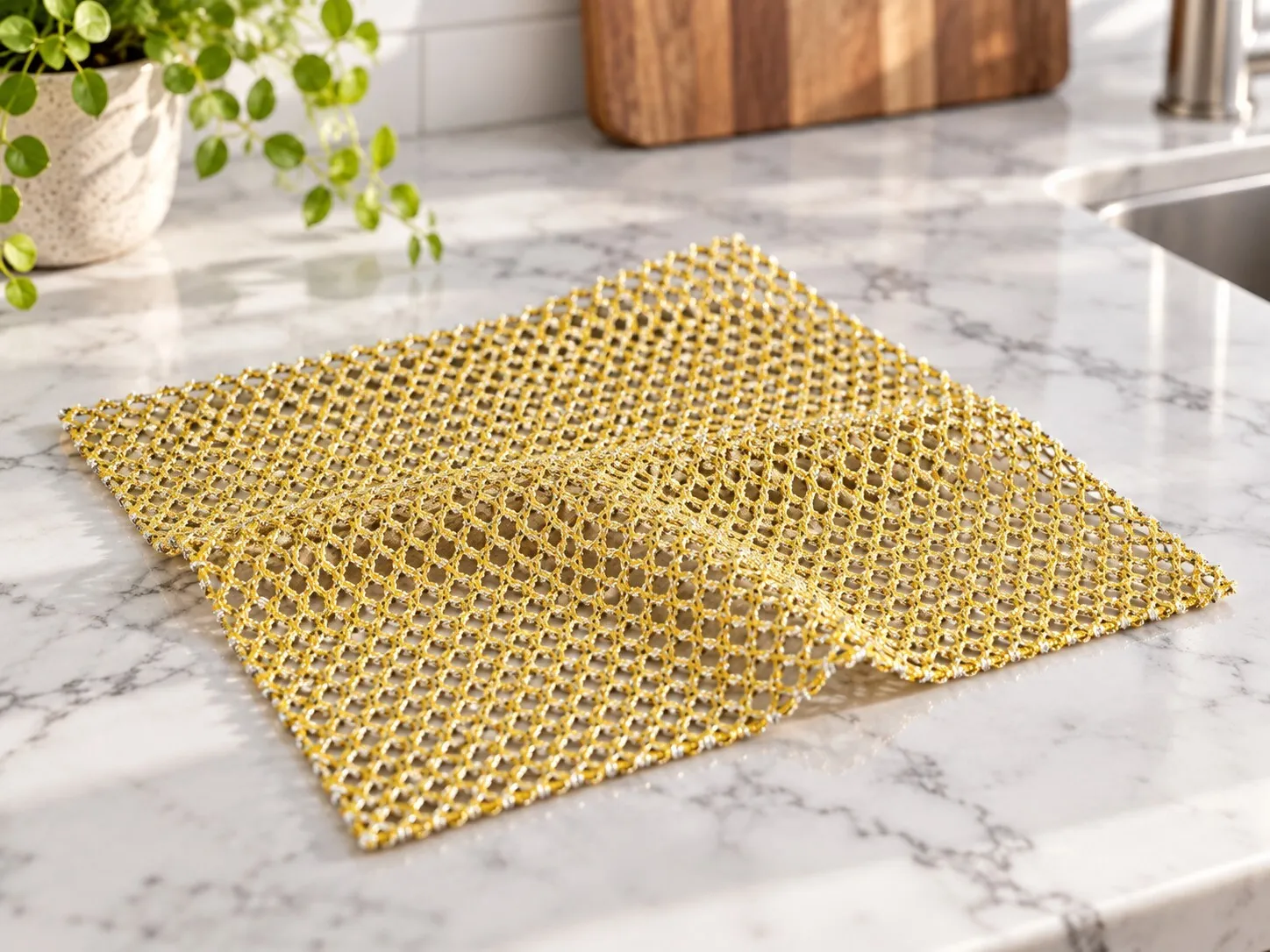
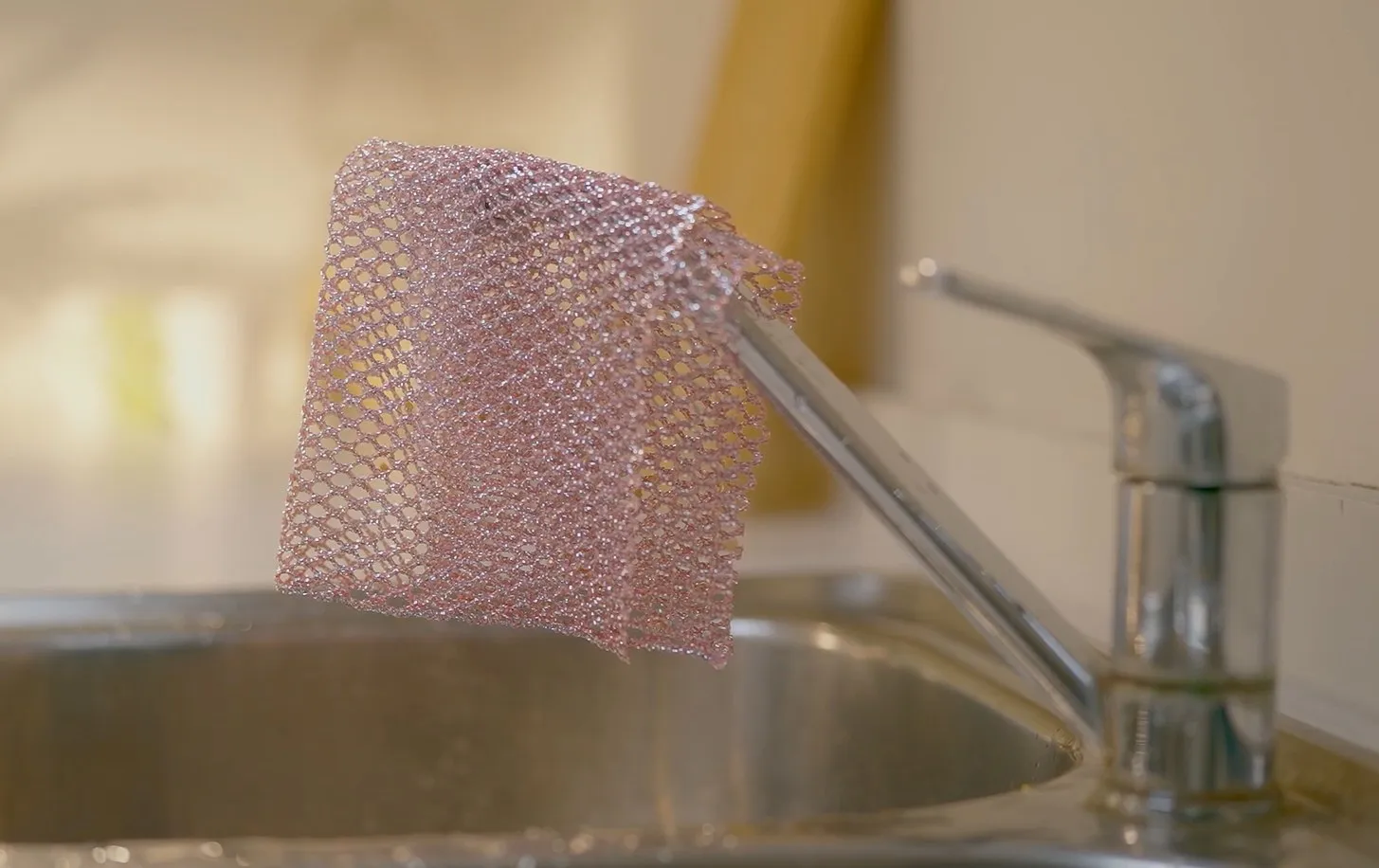
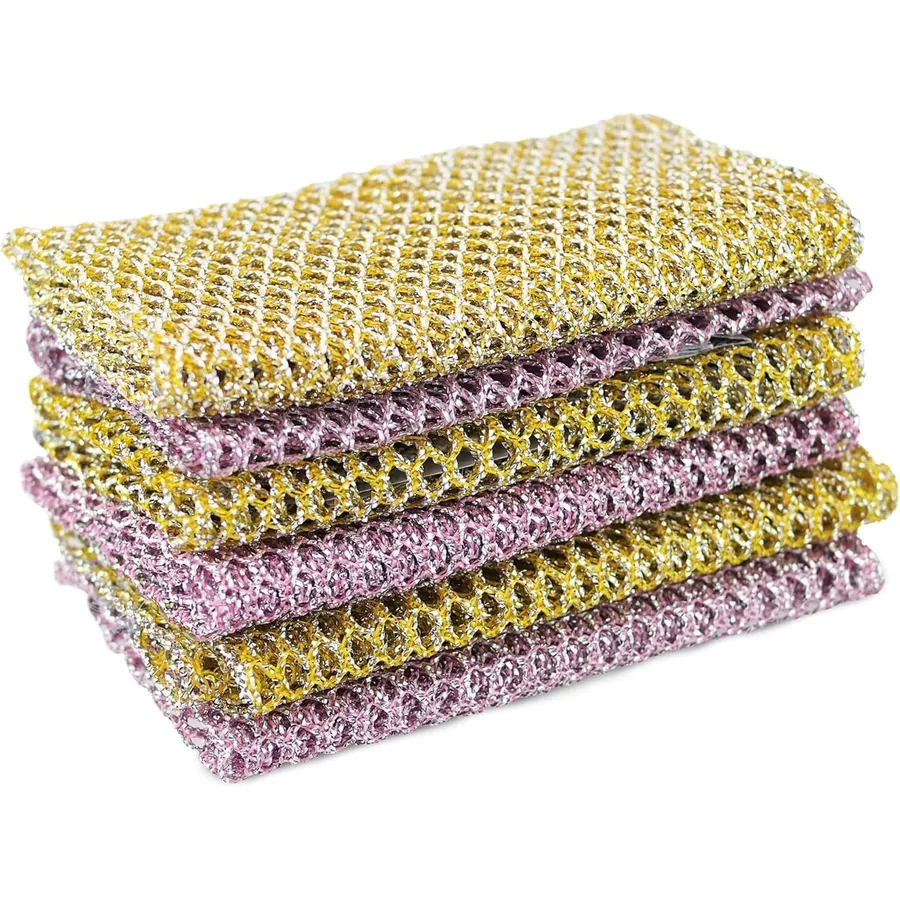
One sheet of non-scratch scouring mesh replaces the whole drawer of foam. Same scrubbing, none of the smell.
Reusable. Non-scratch.
- Why it works · 07 / 10
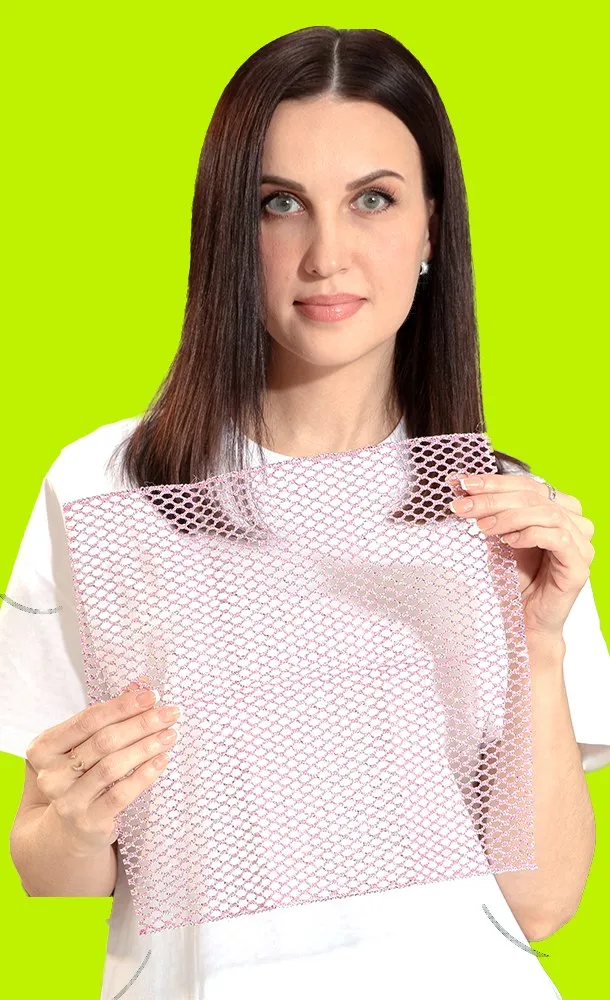
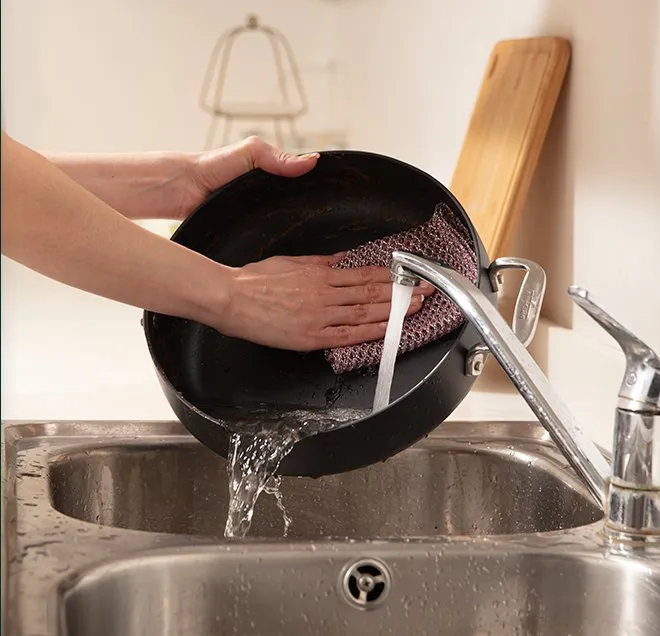
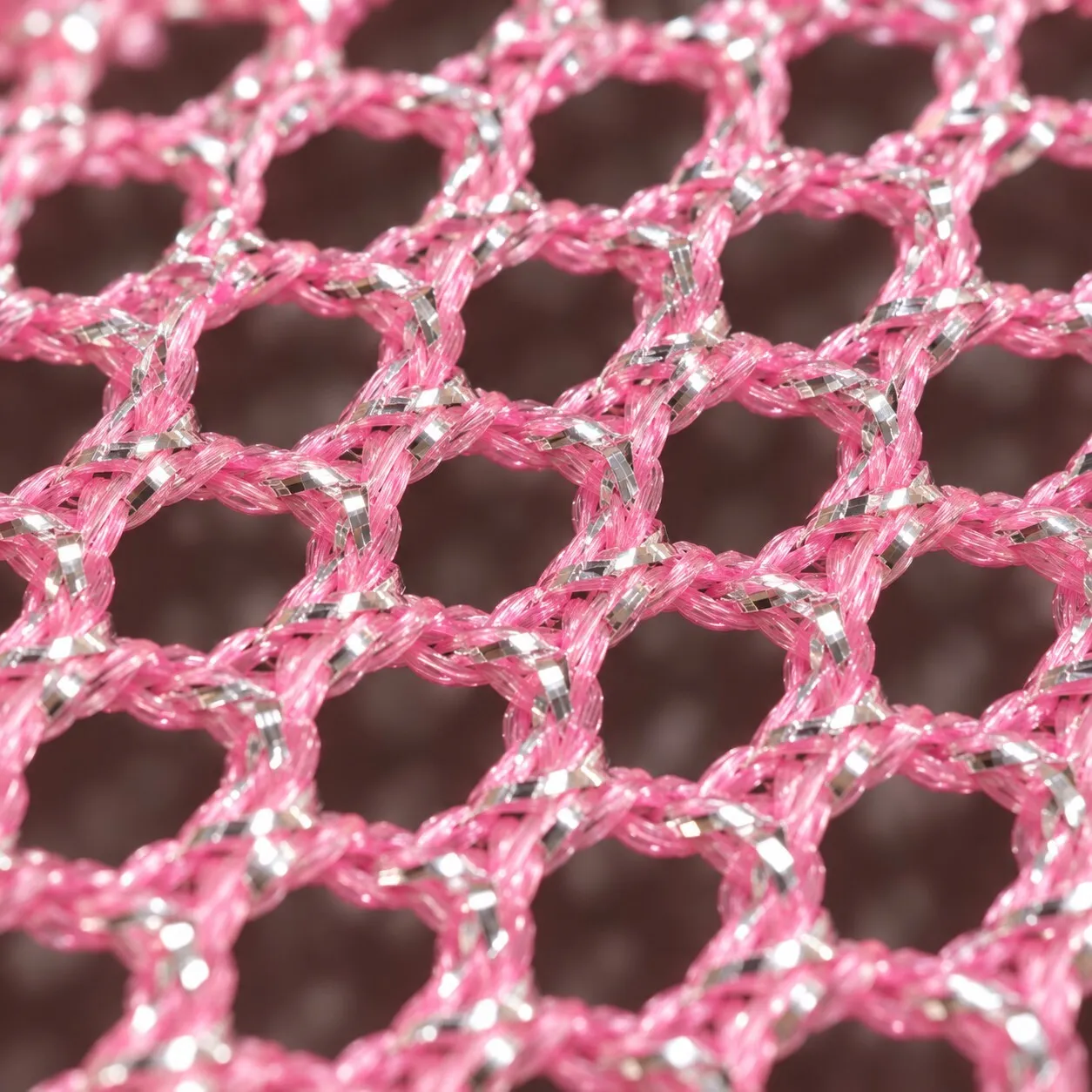
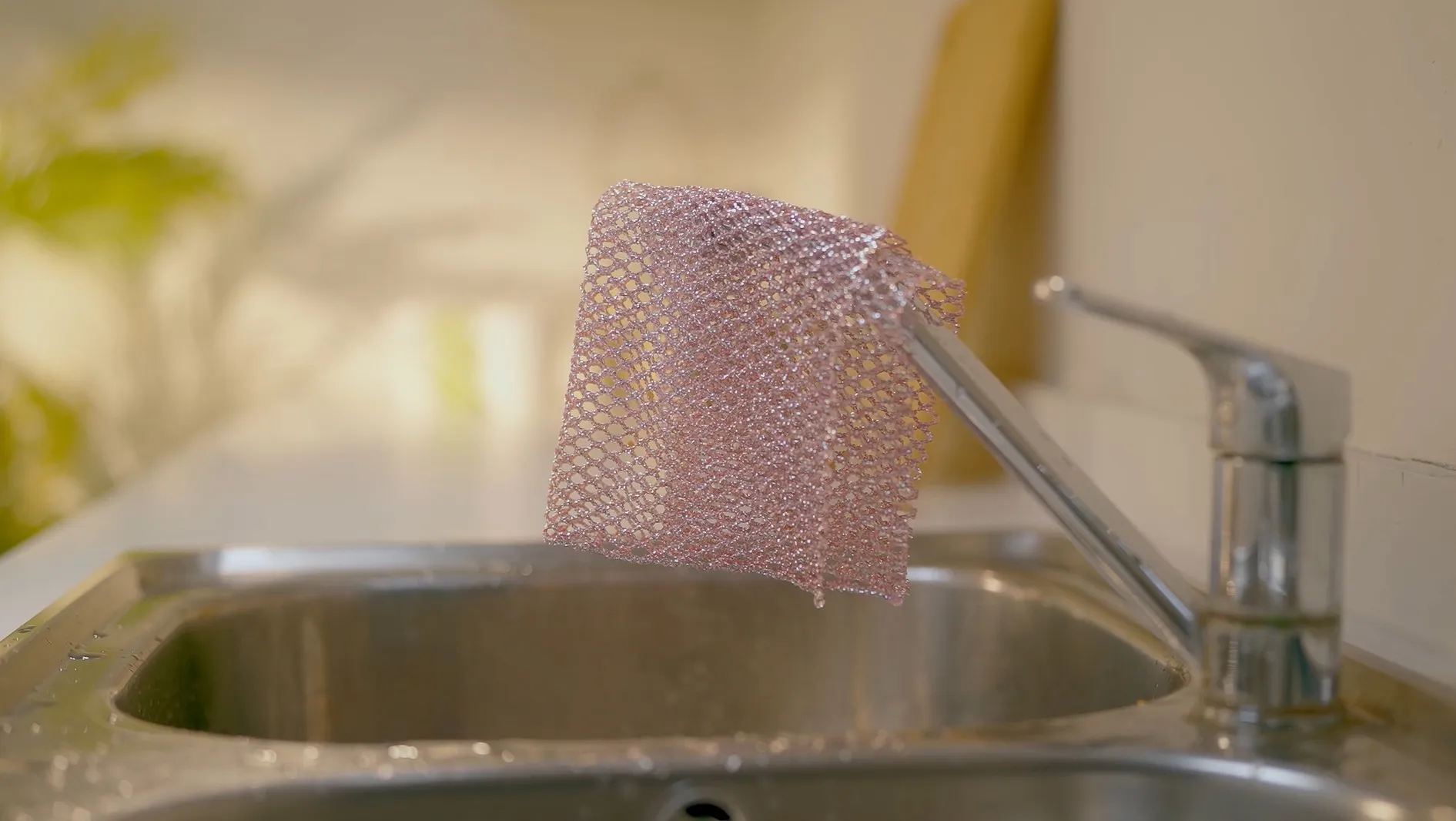
Open mesh. Easy to rinse.
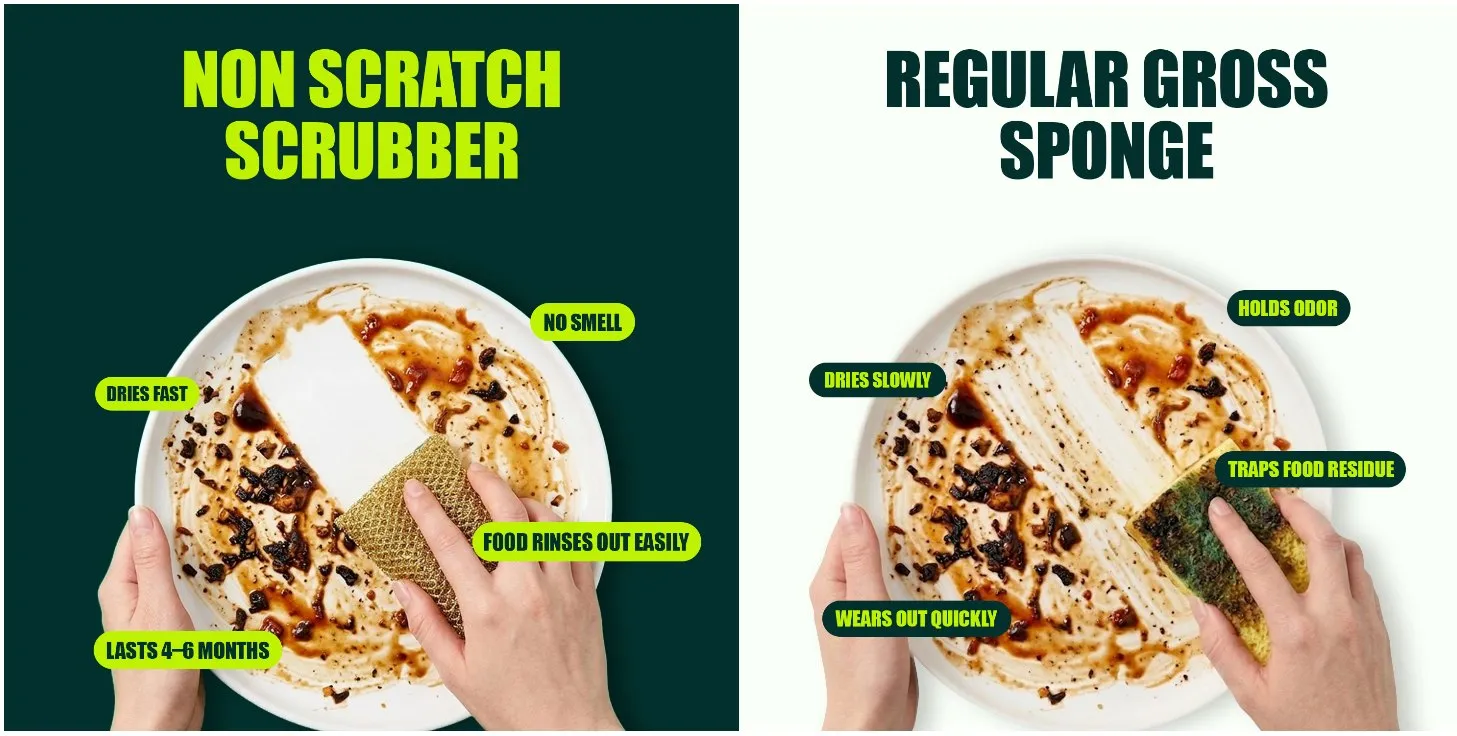
Food rinses straight through the weave. There is no foam to hold water, so it dries fast between uses and stays fresh.
Rinse clean. Reuse.
- The comparison · 08 / 10
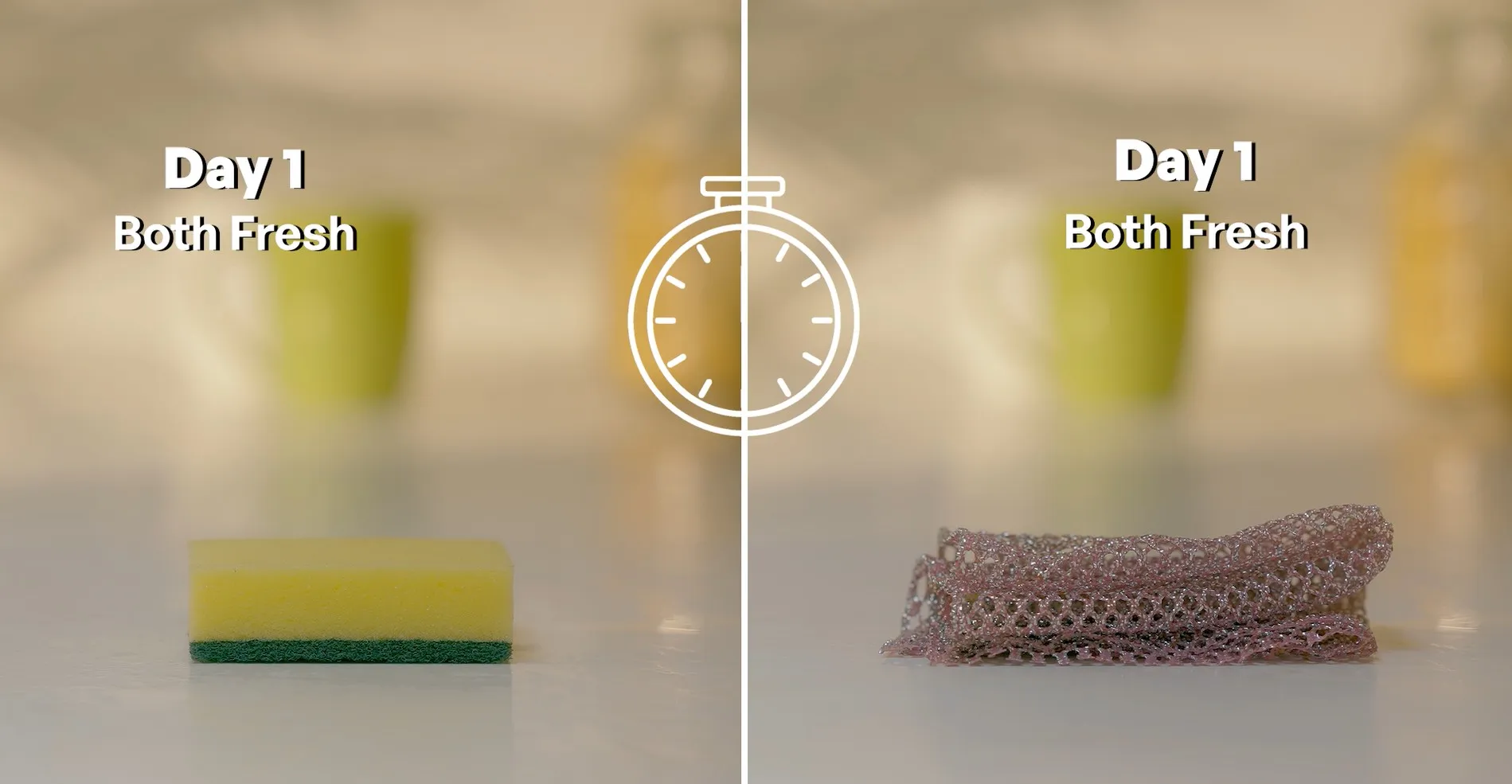
Same start. Two options.
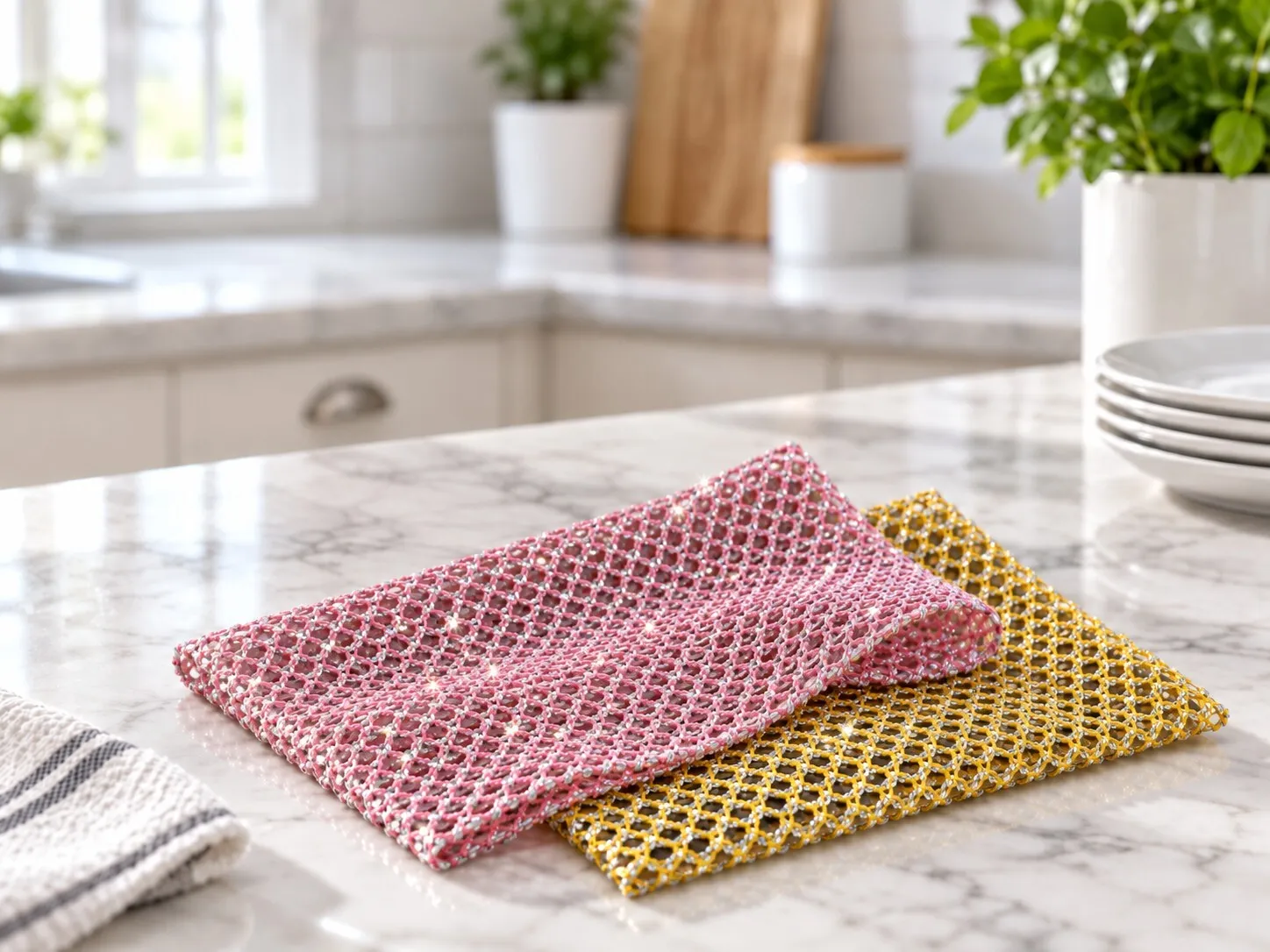
Day one, the sponge and the scourer look the same. Clean, fresh and ready for the sink.
Day 1 · Both fresh
- The reveal · 09 / 10
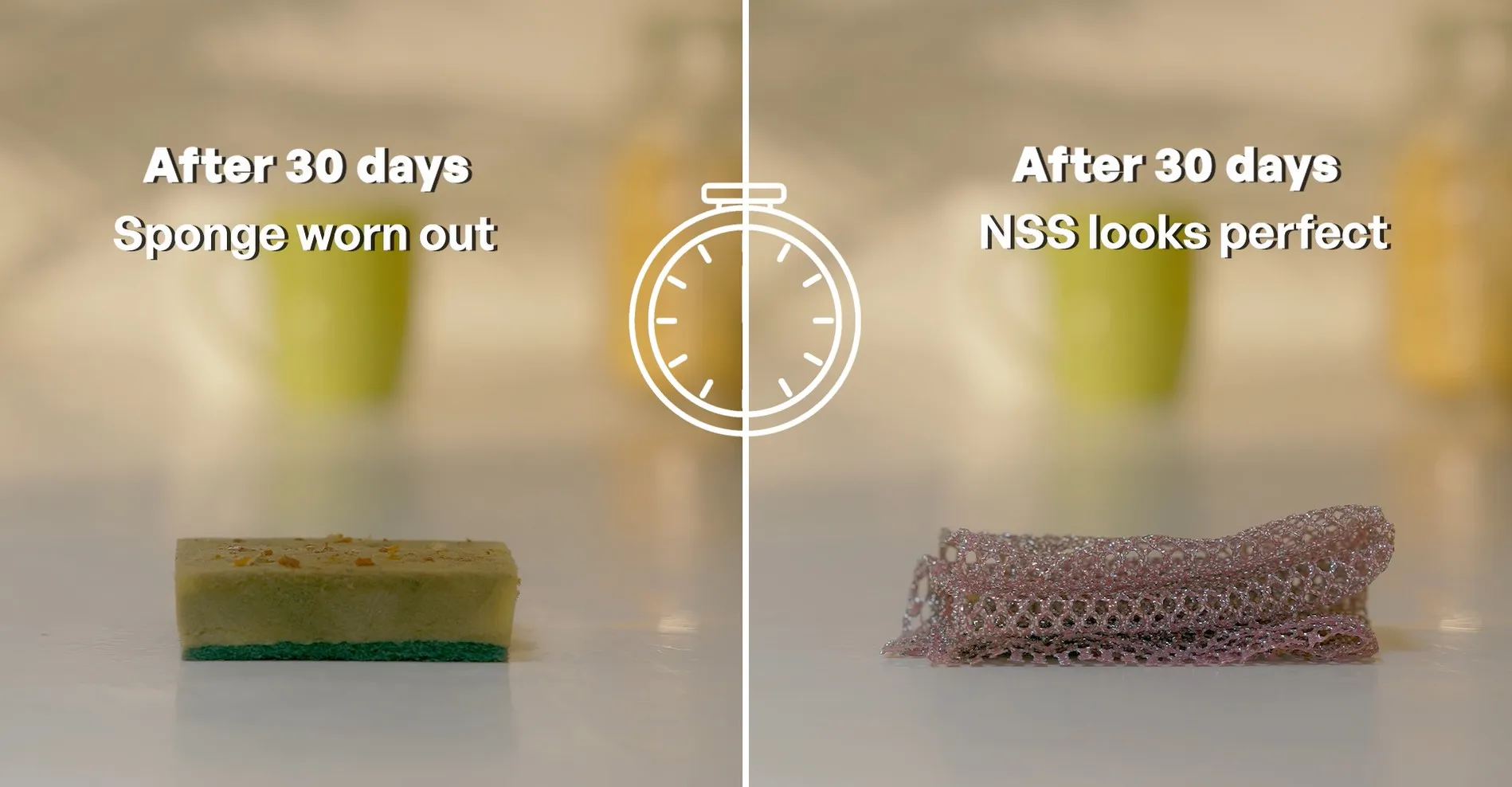
Thirty days later.
Same kitchen, same dishes. The sponge is stained, swollen and worn through. The mesh looks the way it did on day one.
See the visible difference.
- The Crown Choice · 10 / 10
Stop replacing. Start cleaning.
No sour smell, no scratched pans, no weekly replacement. Four to six months on a single scrubber.
Better choices, made to last.